
Why a “Strong Economy” Can Actually Be Bad News for Your Portfolio
Everyone loves good economic news. Rising GDP, falling unemployment, consumer spending through the roof. Politicians celebrate it, financial commentators cheer ...
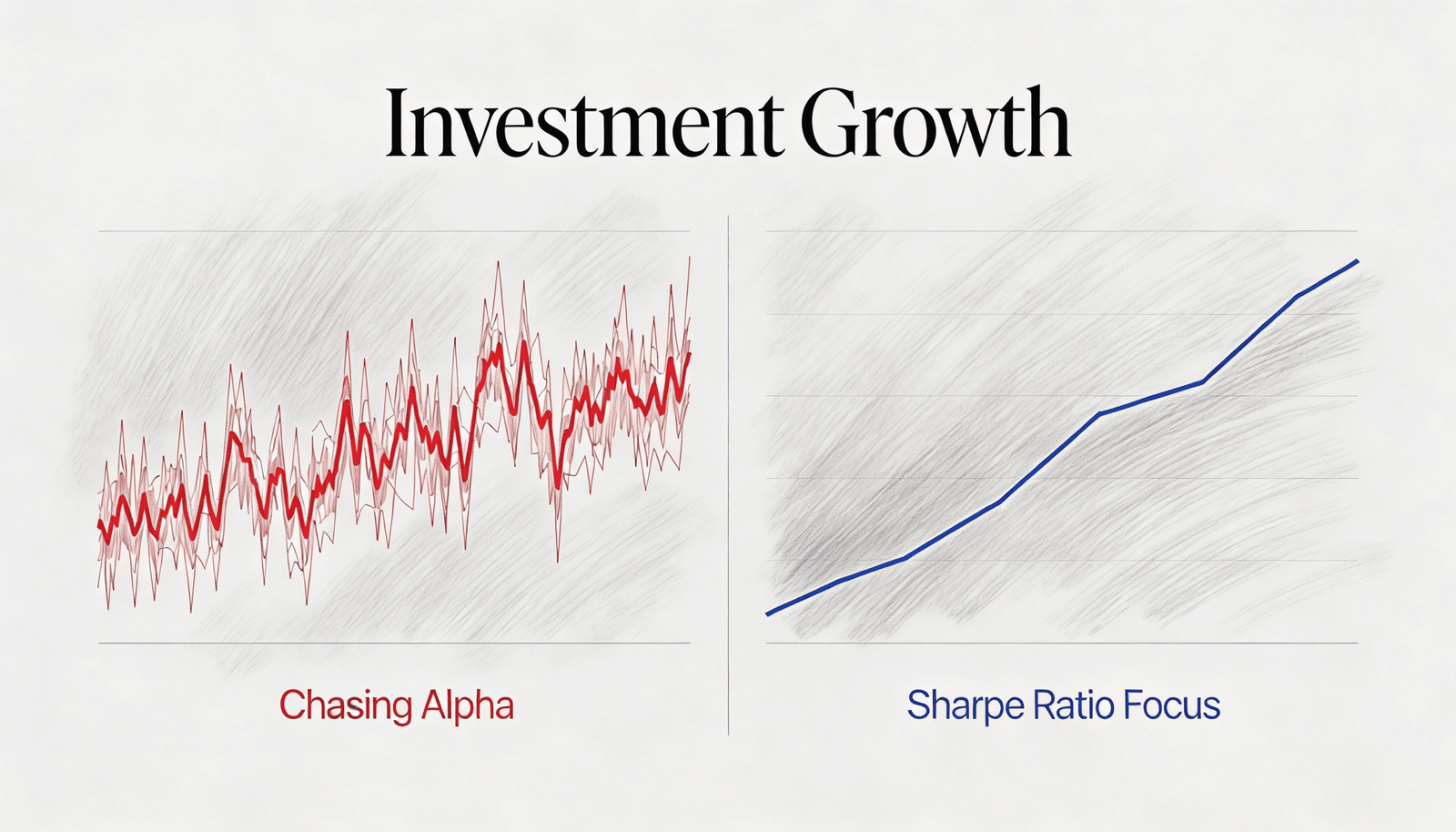
The Case for Stop Chasing Alpha: Why the Sharpe Ratio is the Only Metric That Matters
Many investors are playing the wrong game. They obsess over returns like kids comparing Halloween candy hauls, bragging about how ...

How to Build a Portfolio Immune to Noise (5 Steps to Escaping the Financial Herd Mentality)
The financial markets have a peculiar way of making intelligent people feel stupid and reckless people feel like geniuses. At ...

If You Can’t Calculate NAV, You Shouldn’t Be Investing in Funds
Net Asset Value is absurdly simple to calculate. You take what a fund owns, subtract what it owes, and divide ...

The ESG Trap: Is ‘Ethical Investing’ Just a Marketing Ploy for Pension Funds?
Your retirement savings might be working harder at looking good than doing good. Pension funds have discovered something remarkable in ...
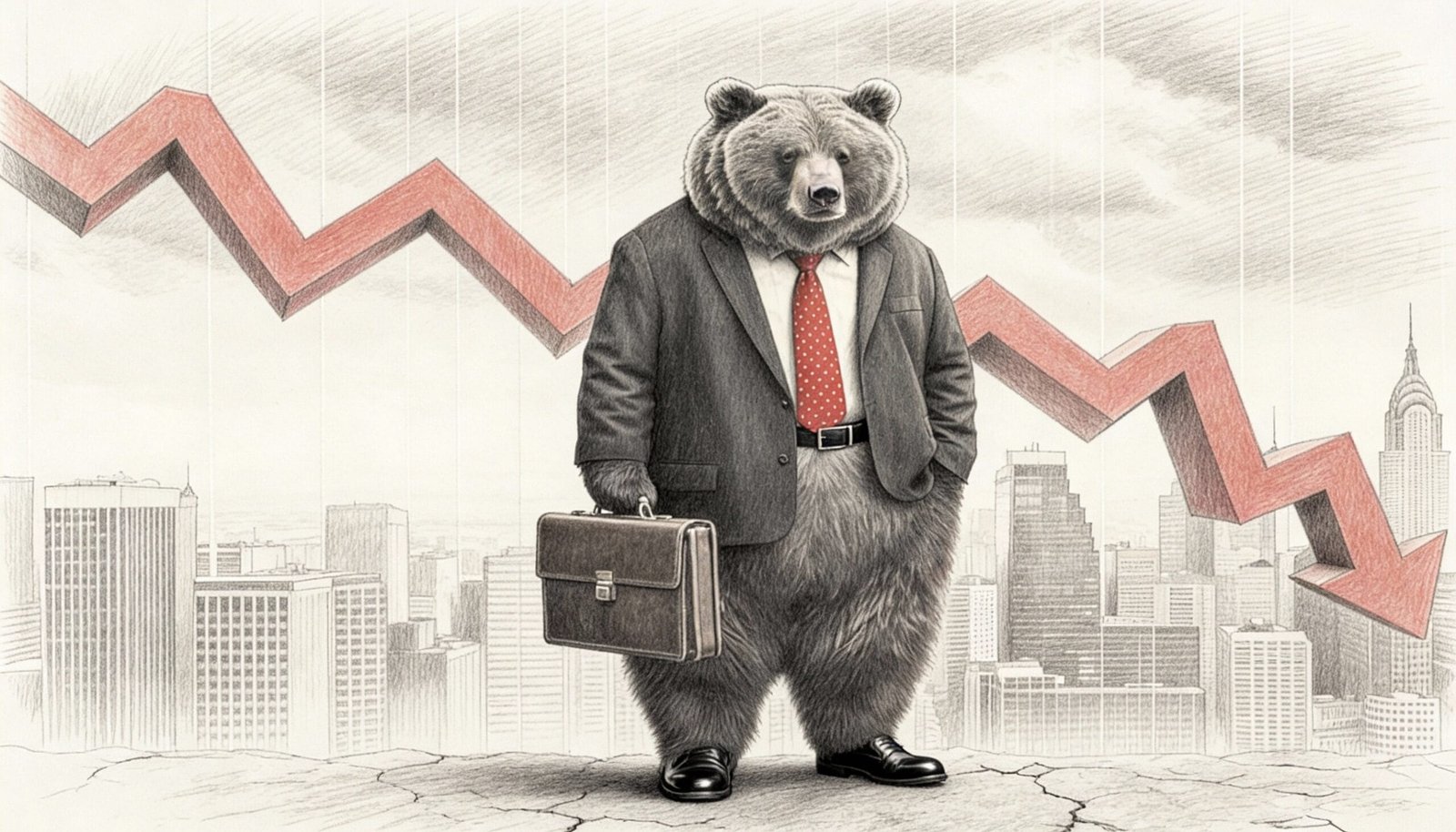
The Math of Recovery: Why a 50% Loss Needs a 100% Gain
We think in straight lines. Our minds prefer symmetry. If something falls by half, we assume it needs to rise ...

The Case Why to Choose 8% Growth Over a 10% Dividend?
The numbers seem to make no sense. Ten is larger than eight. A bird in hand beats two in the ...

Digital Rent: How to “Own” the Internet Infrastructure Through Dividends
You probably think the internet is free. You open your laptop, connect to WiFi, and suddenly have access to the ...
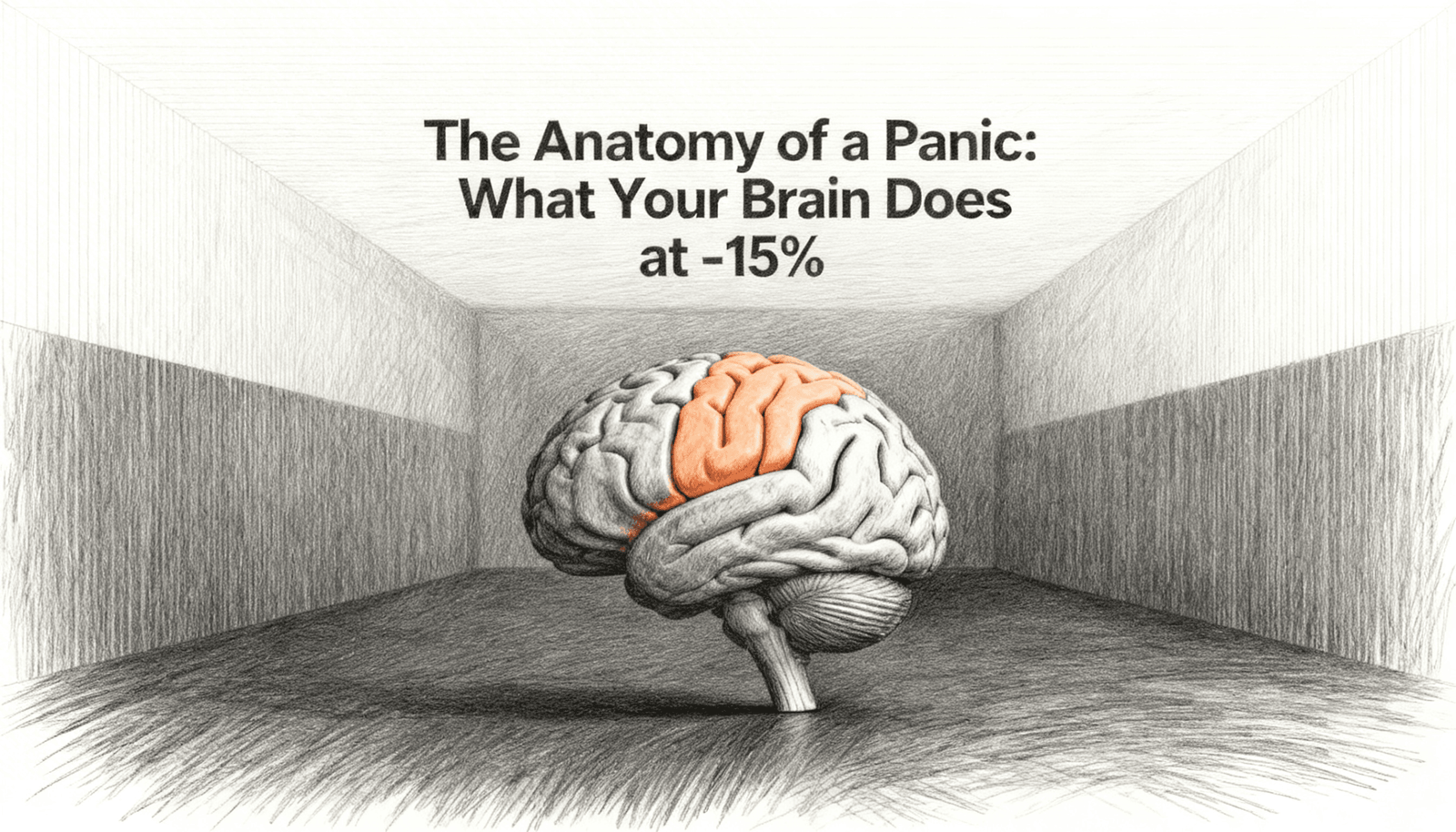
The Anatomy of a Panic: What Your Brain Does at -15%
You have read the books. You have watched the interviews. You have nodded along to every piece of advice about ...

Blood in the Streets, Ice in the Veins: A Guide to Cold Blooded Investing
There is a famous line attributed to Baron Rothschild, an 18th century financier who made a fortune during the panic ...
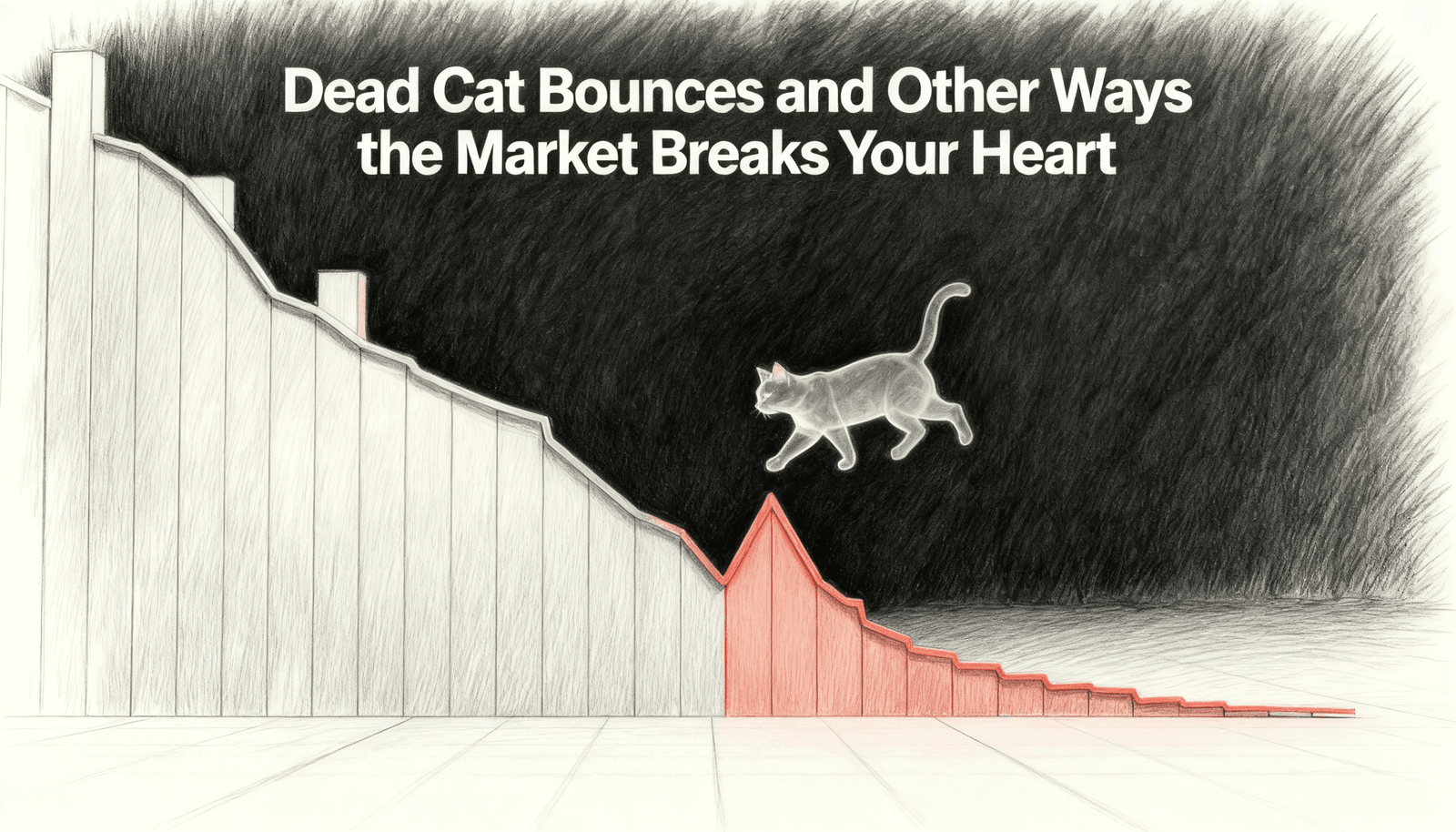
Dead Cat Bounces and Other Ways the Market Breaks Your Heart
There is an old saying on Wall Street that even a dead cat will bounce if it falls from high ...
Congratulations, You Are Down 10%: Now the Real Investing Begins
There is a particular silence that falls over someone checking their portfolio after a bad week. It is not the ...
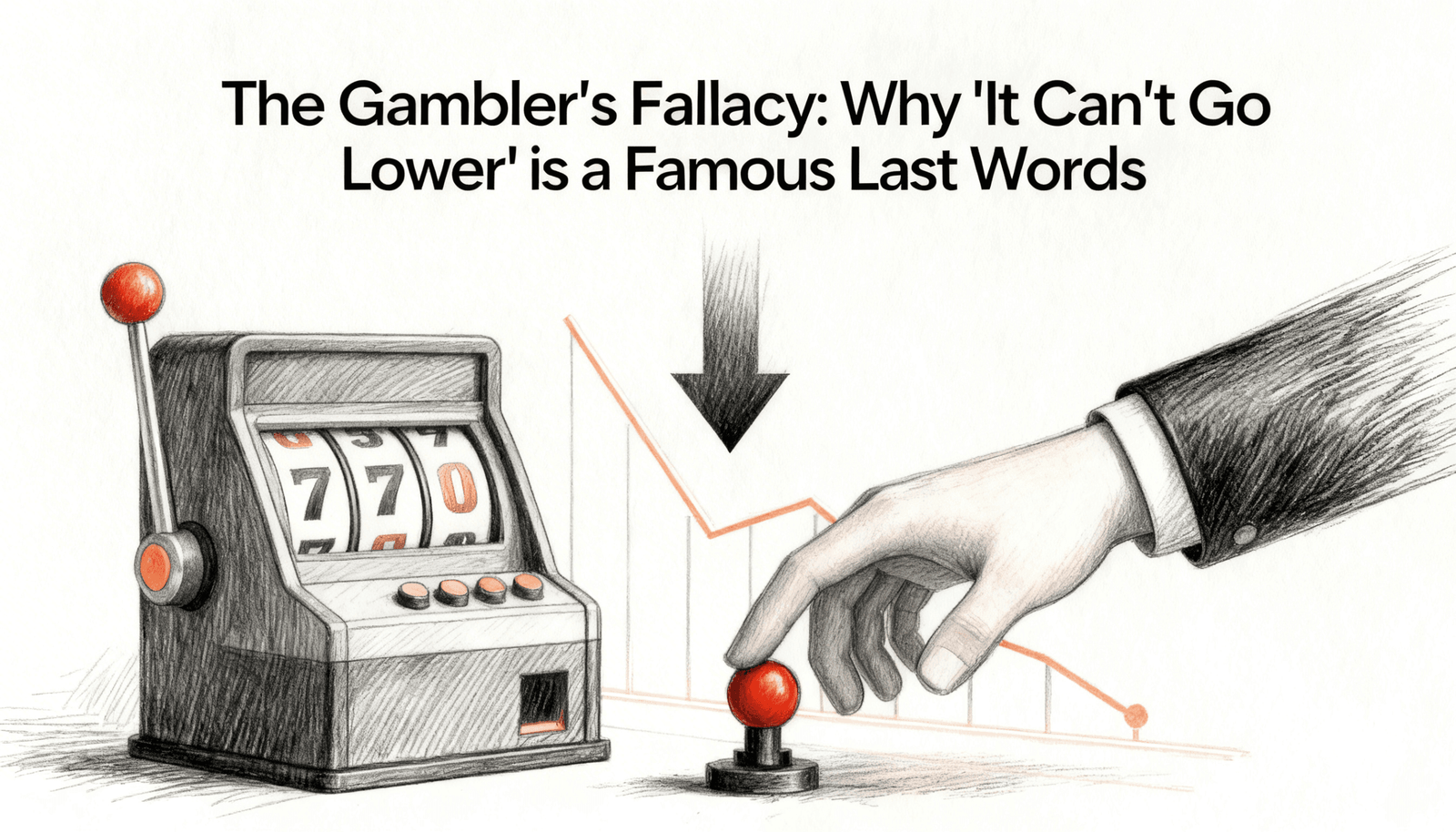
The Gambler’s Fallacy: Why “It Can’t Go Lower” is a Famous Last Words
There is a particular kind of confidence that only shows up when someone is losing. You will not find it ...
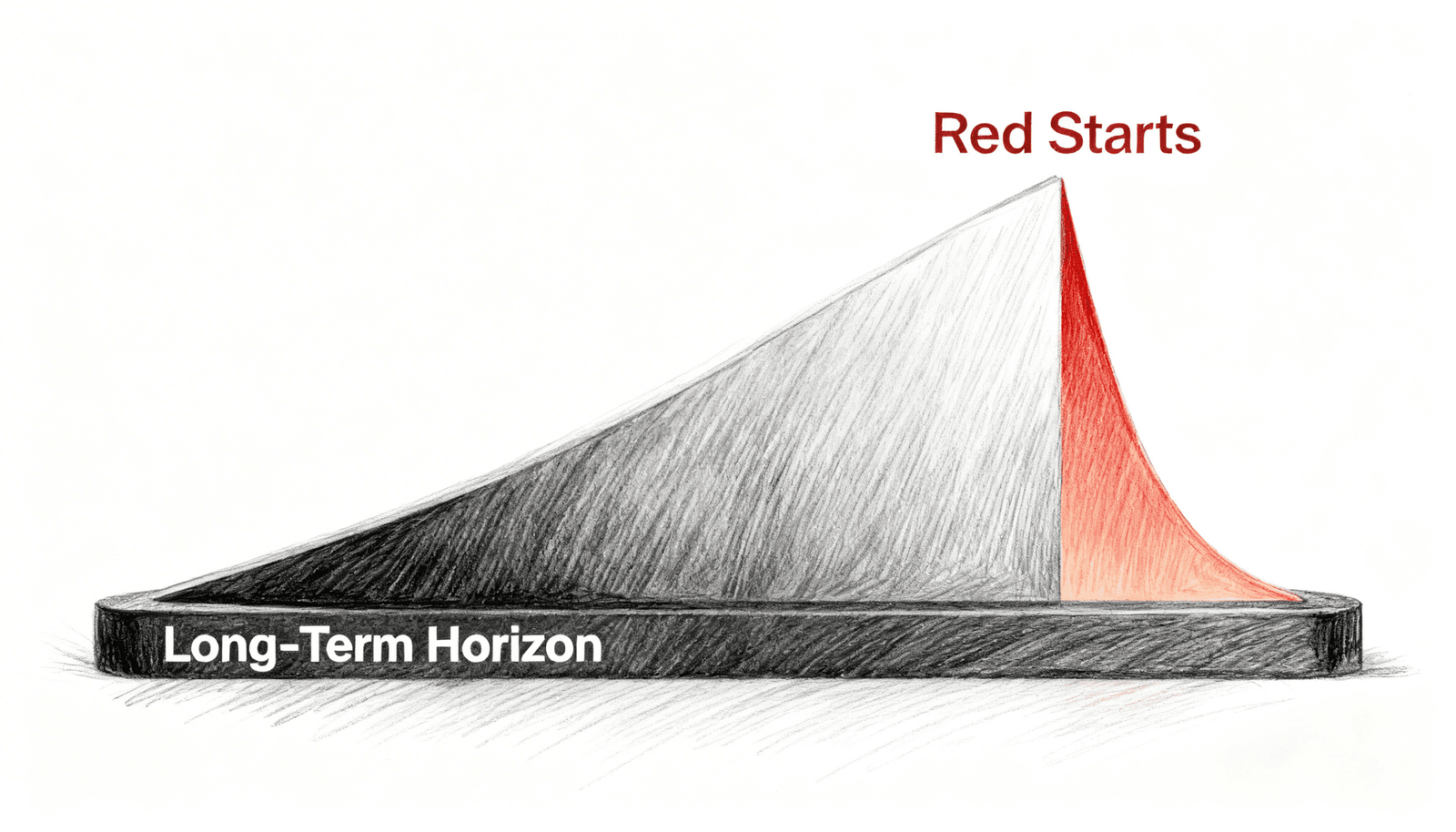
Why Your “Long-Term Horizon” Disappears the Moment the Red Starts in Investing
Everyone is a long term investor. Right up until they are not. This is one of the most reliable patterns ...

The Oxytocin Trap: Why We Trust “Charismatic” Founders with Our Life Savings
There is a chemical in your brain that wants you to go broke. It does not care about your retirement. ...

Are You an Investor or Just a Historian of the Last 12 Months?
There is a particular kind of confidence that comes from looking at a chart that only goes back one year. ...
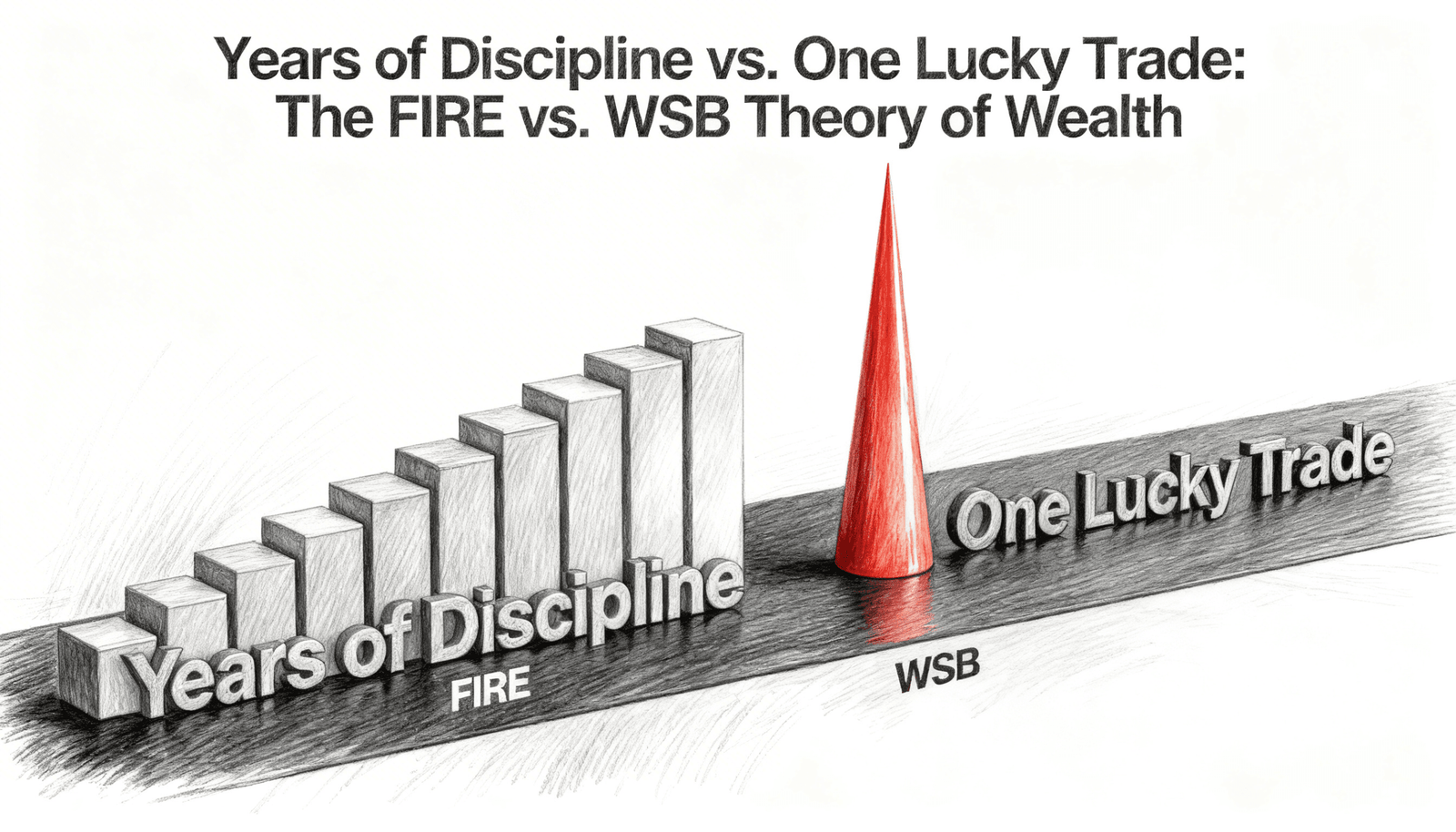
Years of Discipline vs. One Lucky Trade: The FIRE vs. WSB Theory of Wealth
There is a particular kind of person who spends fifteen years tracking every coffee purchase in a spreadsheet, maxing out …
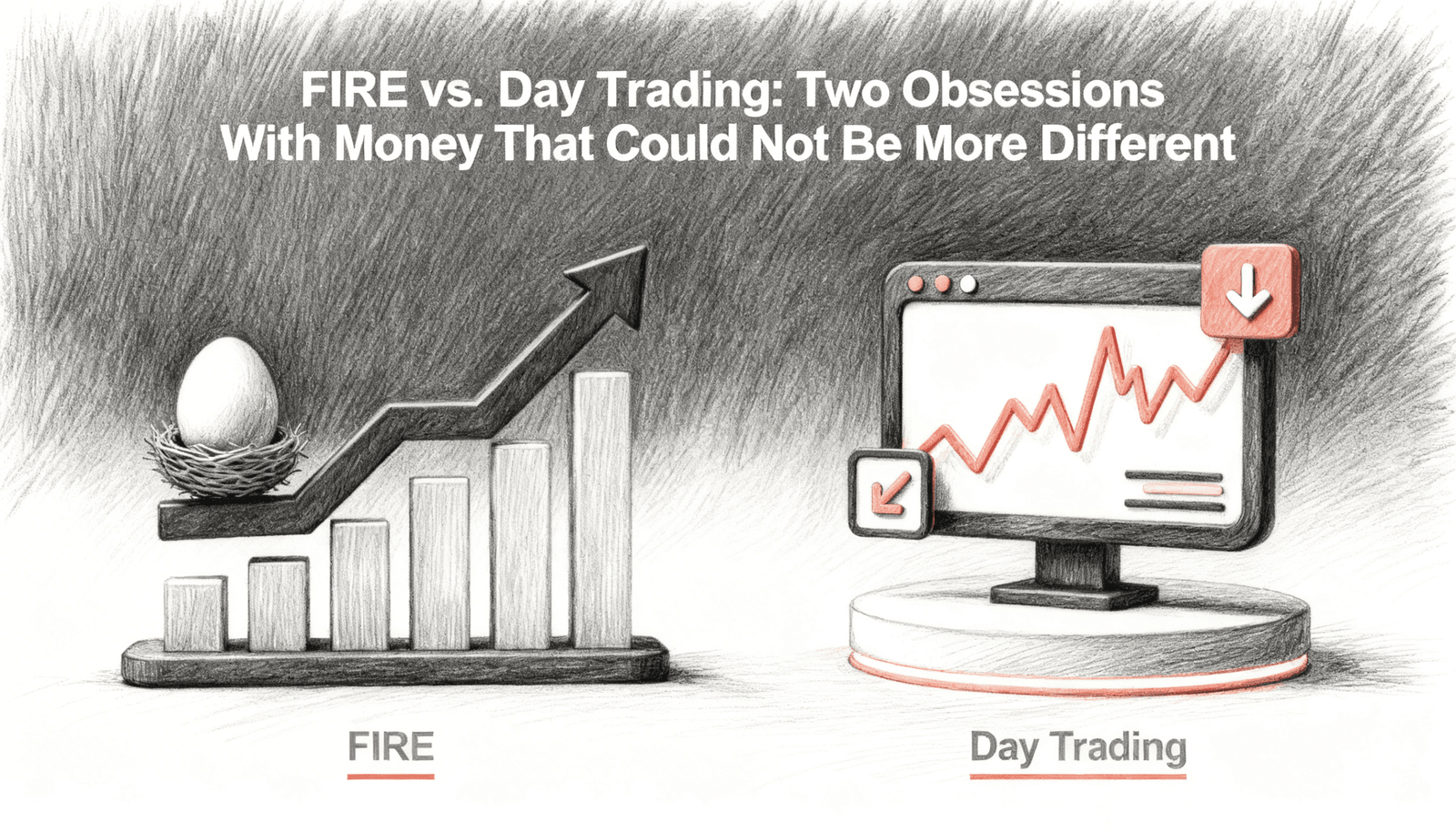
FIRE vs. Day Trading: Two Obsessions With Money That Could Not Be More Different
If you wanted to design two financial philosophies that occupy the exact same amount of mental ...
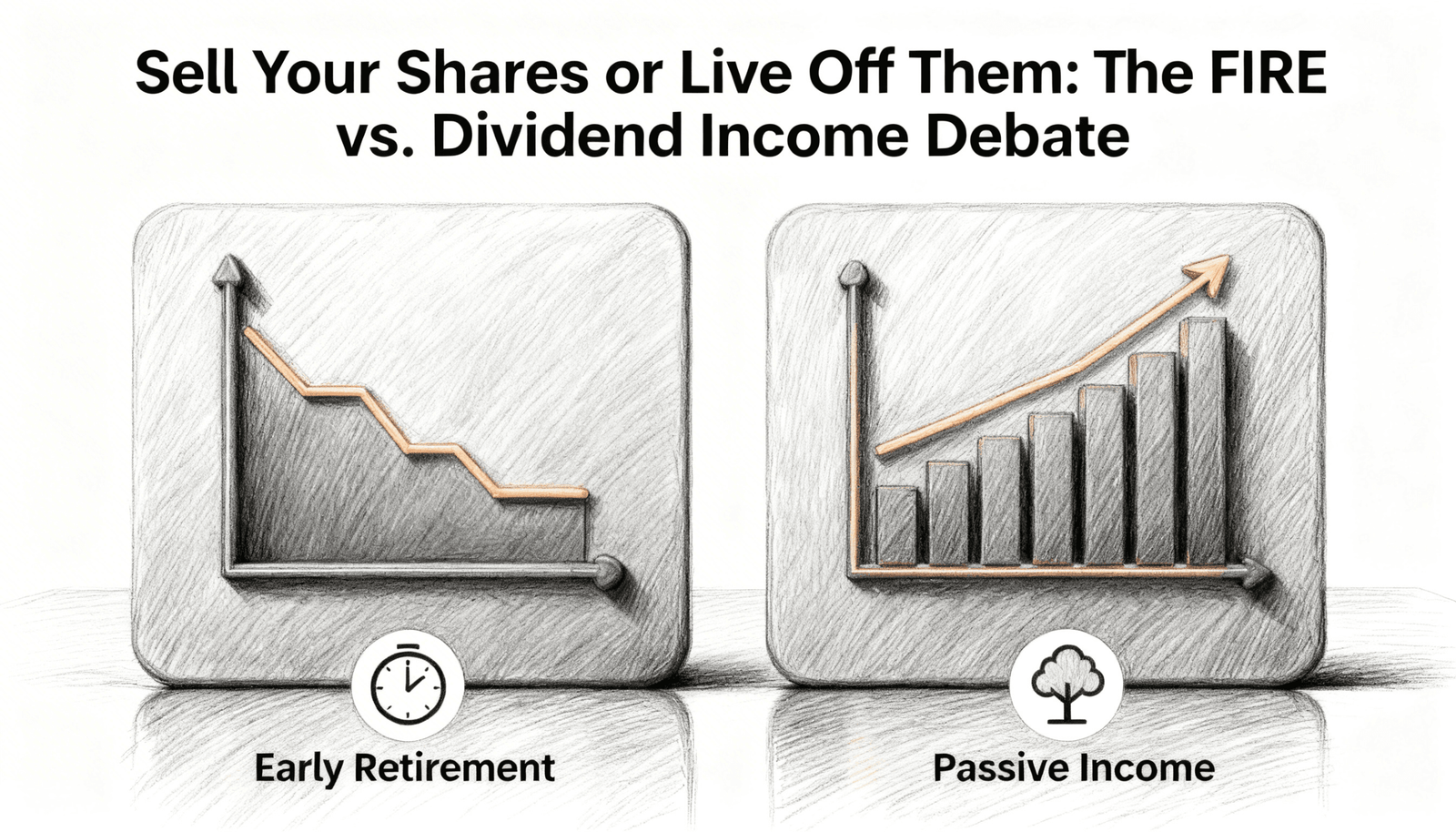
Sell Your Shares or Live Off Them: The FIRE vs. Dividend Income Debate
There is a war happening in personal finance, and most people do not even know they ...
Why European Stocks Look “Cheap” (But Are Not)
There is a seductive simplicity to the phrase “European stocks are cheap.” It shows up outlook, every quarterly letter from …
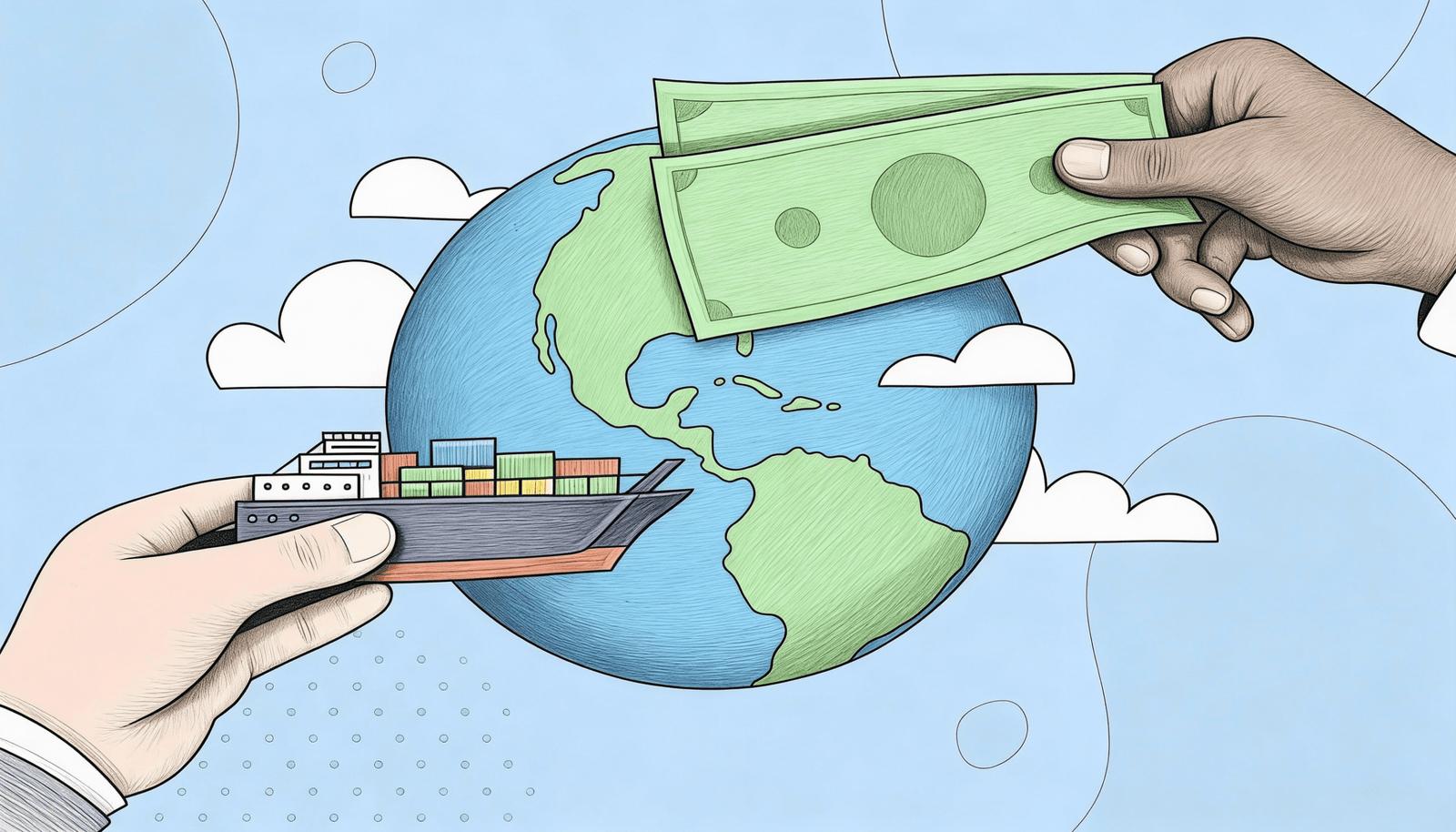
The Real Cost of a Trade Surplus (and Why No One Will Admit It)
Every country wants to be a winner. And in the grand theater of international economics, nothing ...

Editors PickMust Read
Bordeaux vs. Bitcoin: The Unlikely Investment That Doesn’t Crash on a Tuesday
There’s something profoundly absurd about comparing a bottle of fermented grapes to a string of mathematical code. Yet here we ...

Behavioral FinanceEditors Pick
Forget FOMO: The Real Danger Is Loving Your Stocks Too Much
Everyone talks about FOMO. The fear of missing out supposedly drives investors to make stupid decisions, chasing returns they see ...

Editors PickFinancial Economics
The Bitcoin Problem: Where Does Crypto Fit into a Modern Portfolio Theory Strategy?
Harry Markowitz won a Nobel Prize in 1990 for work he published in 1952. That work, Modern Portfolio Theory, changed ...