Behavioral Finance

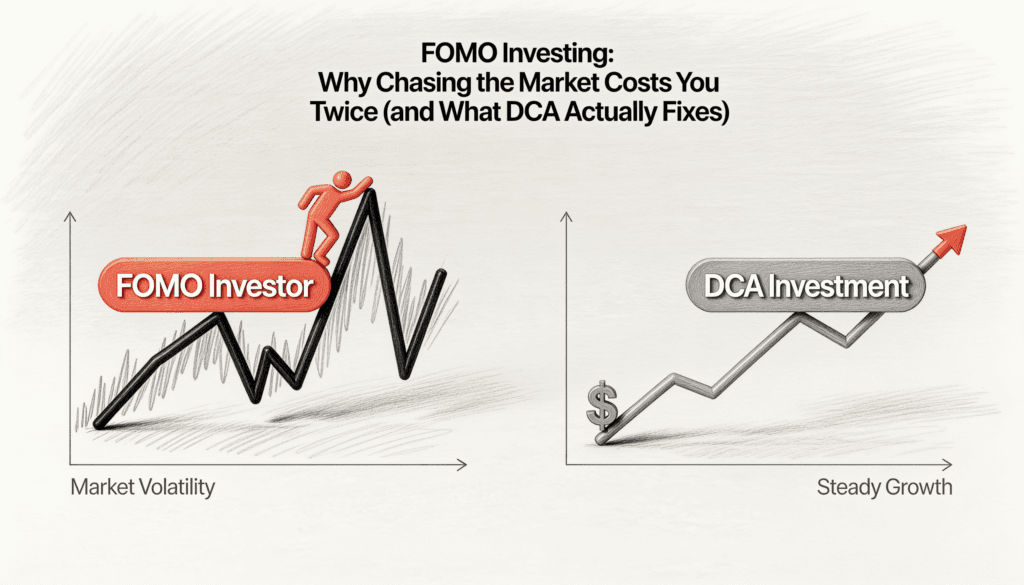
FOMO Investing - Why Chasing the Market Costs You Twice (and What DCA Actually Fixes)

FOMO Investing: Why Chasing the Market Costs You Twice (and What DCA Actually Fixes)

The Most Expensive Emotion in Investing There is a particular kind of pain that financial markets have perfected over centuries, and it has almost nothing to do with losing money. It is the pain of watching someone else get rich while you stand there holding your wallet and your regret. Economists have a clinical label […]

FOMO Investing: Why Chasing the Market Costs You Twice (and What DCA Actually Fixes) Read More »
Neurofinance- How Dopamine and Cortisol Are Running Your Portfolio Without Permission

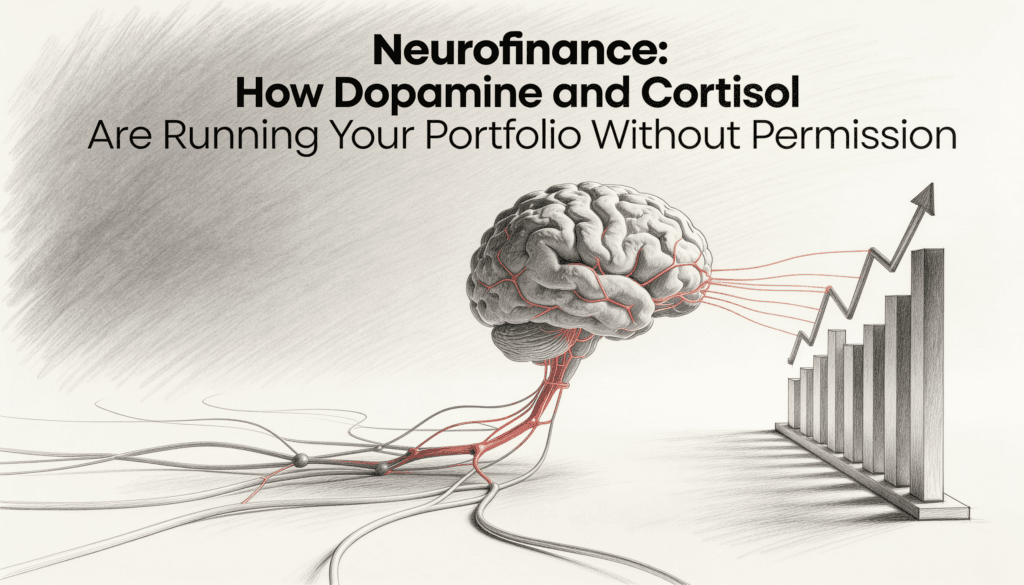
Neurofinance: How Dopamine and Cortisol Are Running Your Portfolio Without Permission

Your Brain Is Trading Without Your Permission Your portfolio does not care about your feelings. But your feelings care deeply about your portfolio, and that single mismatch explains more bad investment decisions than any chart pattern ever will. This is the territory of neurofinance, the study of how brain chemistry shapes the way we handle

Neurofinance: How Dopamine and Cortisol Are Running Your Portfolio Without Permission Read More »

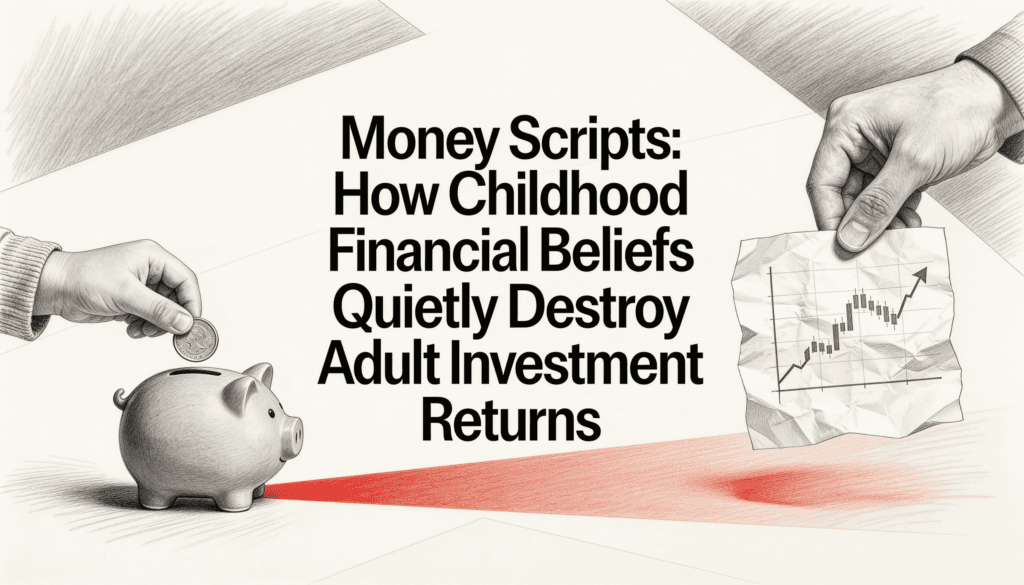
Money Scripts- How Childhood Financial Beliefs Quietly Destroy Adult Investment Returns

Money Scripts: How Childhood Financial Beliefs Quietly Destroy Adult Investment Returns

The Financial Operating System You Never Agreed to Install You inherited more than your eye color and your tendency to sneeze in bright sunlight. You inherited an entire financial operating system, and it was installed long before you could count to ten. These deeply embedded beliefs have a clinical name. Psychologists call them money scripts,

Money Scripts: How Childhood Financial Beliefs Quietly Destroy Adult Investment Returns Read More »

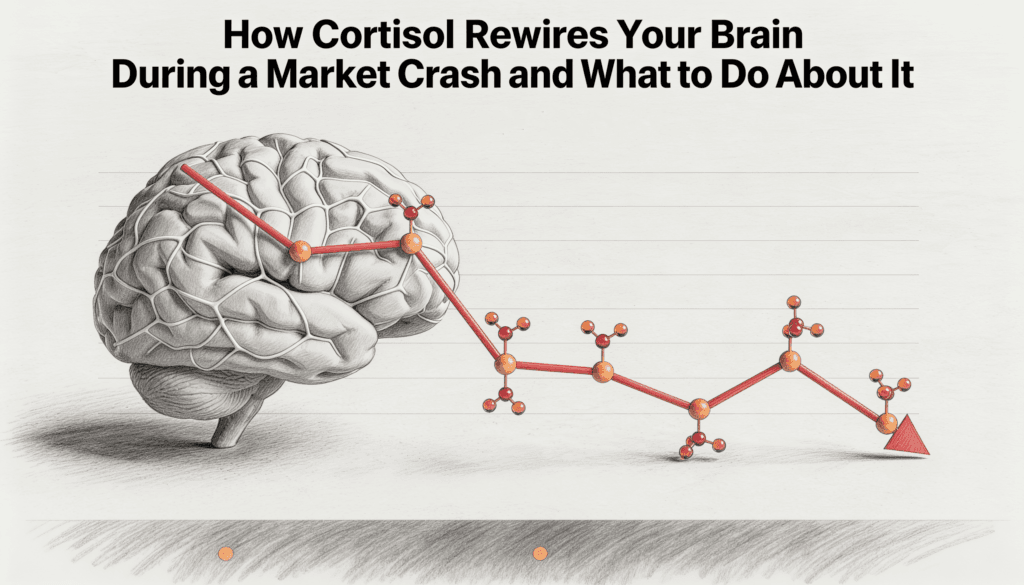
How Cortisol Rewires Your Brain During a Market Crash and What to Do About It

How Cortisol Rewires Your Brain During a Market Crash and What to Do About It

Your Brain on a Market Crash: The Cortisol Problem No One Warned You About Your body cannot tell the difference between a bear market and an actual bear. That is not a clever metaphor. It is a measurable biological fact, and it explains why intelligent people make catastrophically dumb financial decisions the moment their portfolios

How Cortisol Rewires Your Brain During a Market Crash and What to Do About It Read More »

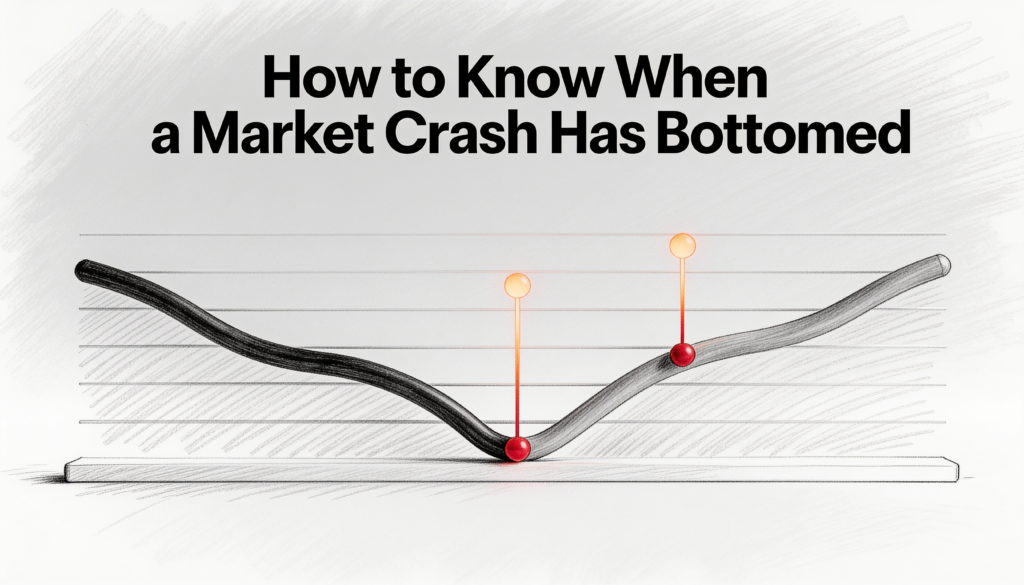
How to Know When a Market Crash Has Bottomed (And Why the Answer Changes Everything)

How to Know When a Market Crash Has Bottomed (And Why the Answer Changes Everything)

How to Know When a Market Crash Has Bottomed There is a peculiar moment during every market crash when serious people on television start using the word “unprecedented” with the same frequency that teenagers use “literally.” Charts turn red, anchors lower their voices as if attending a funeral, and somebody inevitably brings up 1929, then

How to Know When a Market Crash Has Bottomed (And Why the Answer Changes Everything) Read More »

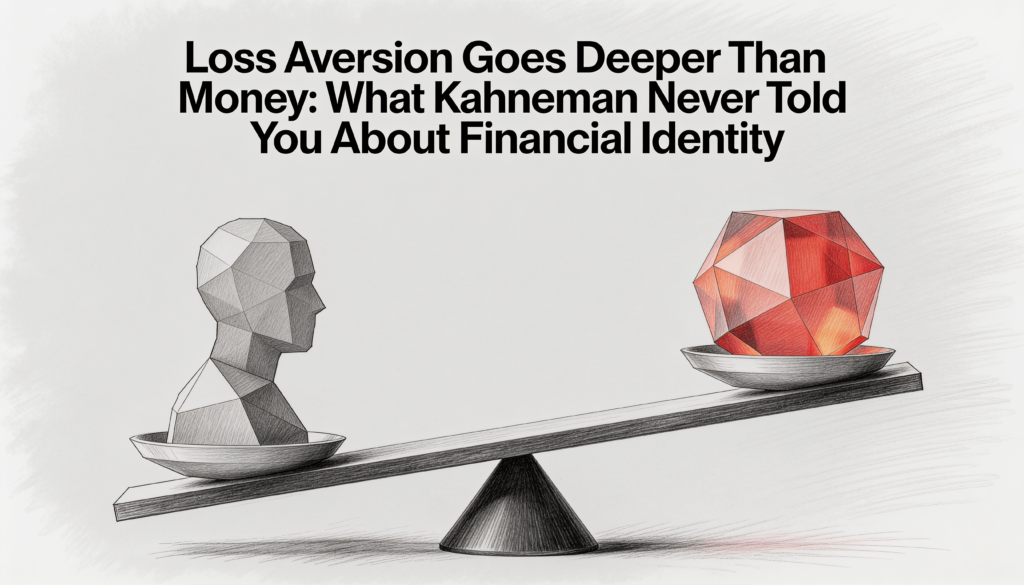
Loss Aversion Goes Deeper Than Money- What Kahneman Never Told You About Financial Identity

Loss Aversion Goes Deeper Than Money: What Kahneman Never Told You About Financial Identity

What Loss Aversion Really Means for Investors In 1979, two psychologists published a paper that would eventually win a Nobel Prize and quietly rewire how we understand money. Daniel Kahneman and Amos Tversky demonstrated that losses feel roughly twice as painful as equivalent gains feel pleasurable. A 10 percent gain might make you feel mildly

Loss Aversion Goes Deeper Than Money: What Kahneman Never Told You About Financial Identity Read More »

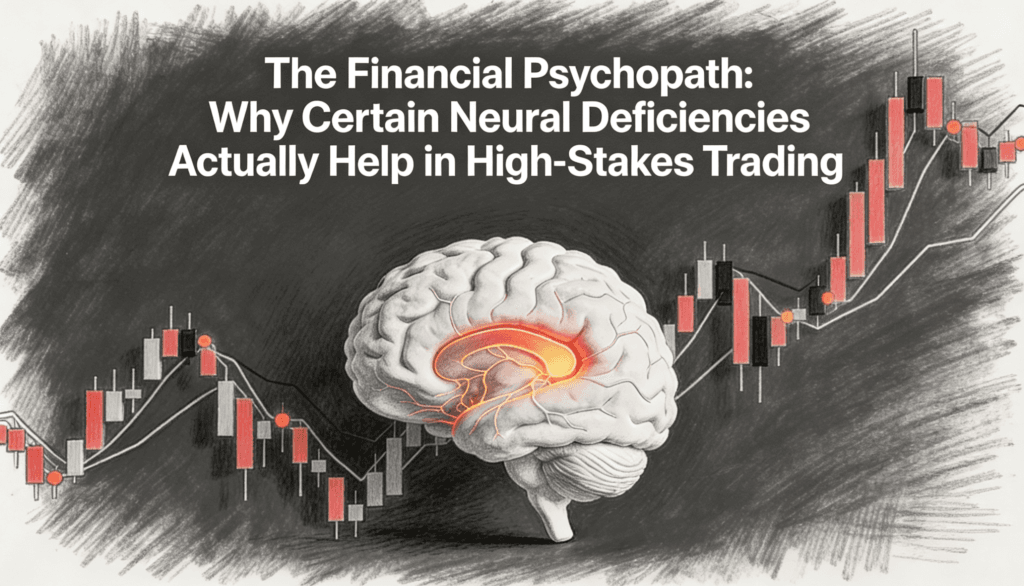
The Financial Psychopath- Why Certain Neural Deficiencies Actually Help in High-Stakes Trading

The Financial Psychopath: Why Certain Neural Deficiencies Actually Help in High-Stakes Trading

There is a trader on every floor who makes everyone else uncomfortable. Not because he yells or throws things. The opposite. He is calm when calm should not be possible. The portfolio is down five percent in a morning and he is eating a sandwich. The market is in freefall and he is scanning for

The Financial Psychopath: Why Certain Neural Deficiencies Actually Help in High-Stakes Trading Read More »