Investing

The Cult of the Dip- Why Buying Low is Psychologically Impossible for Most

The Cult of the “Dip”: Why Buying Low is Psychologically Impossible for Most

Everyone knows the secret to investment success. Buy low, sell high. It’s so simple that a child could understand it. Yet somehow, this basic principle has bankrupted more investors than any complex financial instrument ever could. The irony is almost perfect. The one thing everyone agrees on is the one thing almost nobody can do. […]

The Cult of the “Dip”: Why Buying Low is Psychologically Impossible for Most Read More »

The 90% Rule- Why BDCs are Legally Obligated to Make You Rich

The 90% Rule: Why BDCs are Legally Obligated to Make You Rich

There’s something wonderfully absurd about a law that forces companies to hand over their profits. It’s like mandating generosity, which sounds about as effective as legislating happiness or requiring spontaneity. Yet this is precisely what happens with Business Development Companies, and the mechanism behind it reveals something fascinating about how we’ve tried to engineer prosperity

The 90% Rule: Why BDCs are Legally Obligated to Make You Rich Read More »

Why Small Cap Doesn't Always Mean Small Company

Why “Small Cap” Doesn’t Always Mean “Small Company”

The Problem with Labels Language shapes reality in peculiar ways. We call certain stocks “small cap” and assume we’re talking about small companies. But language is a lazy shorthand, and finance is full of shortcuts that stop making sense the moment you look closer. The market capitalization of a company tells you what investors think

Why “Small Cap” Doesn’t Always Mean “Small Company” Read More »

The CFO’s Secret Weapon: How to Inflate EBITDA Without Breaking the Law

Every CFO knows the feeling. You’re sitting in a board meeting, and someone asks about EBITDA. The number sits there on the slide, stubbornly refusing to be impressive. You know your business is performing better than this metric suggests, but explaining why requires a PowerPoint deck and a minor in accounting. Here’s the uncomfortable truth:

The CFO’s Secret Weapon: How to Inflate EBITDA Without Breaking the Law Read More »

The Anti-Gravity Strategy- Staying Green While the S&P 500 Falls 30% (Market Neutral Strategy)

The Anti-Gravity Strategy: Staying Green While the S&P 500 Falls 30% (Market Neutral Strategy)

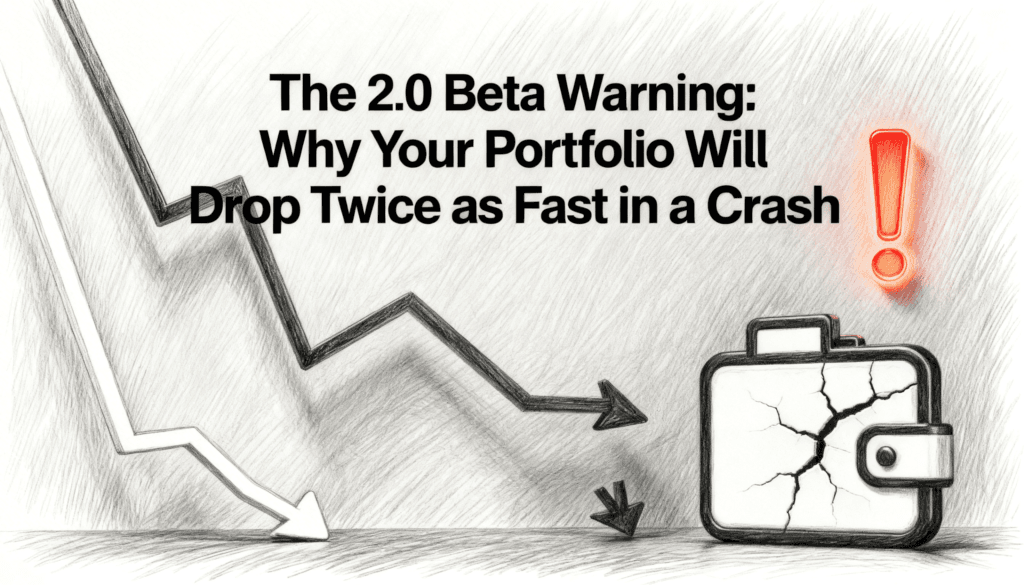
When Isaac Newton watched an apple fall, he discovered gravity. When traders watch portfolios fall, they discover margin calls. The difference between these two discoveries is that gravity was inevitable, while portfolio losses are optional. Most investors treat market crashes like weather events. They huddle inside, wait for the storm to pass, and hope their

The Anti-Gravity Strategy: Staying Green While the S&P 500 Falls 30% (Market Neutral Strategy) Read More »

The Hedging Hierarchy- Covered Calls vs. Puts as Your Primary Portfolio Defense

The Hedging Hierarchy: Covered Calls vs. Puts as Your Primary Portfolio Defense

Most investors approach portfolio protection the way most people approach health insurance. They know they need it, they understand it costs money, and they hope never to use it. But here’s where the analogy breaks down in an interesting way. When it comes to protecting your investments, you’re not just choosing between different insurance policies.

The Hedging Hierarchy: Covered Calls vs. Puts as Your Primary Portfolio Defense Read More »

Dividends vs. Buybacks- Which One Is Actually Putting Money in Your Pocket?

Dividends vs. Buybacks: Which One Is Actually Putting Money in Your Pocket?

There’s a strange ritual in corporate finance where companies decide what to do with their profits. They can hand the cash directly to shareholders via dividends, or they can buy their own stock back from the market. One feels like getting paid. The other feels like a magic trick where your slice of the pie

Dividends vs. Buybacks: Which One Is Actually Putting Money in Your Pocket? Read More »

Why Diamond Hands is a Recipe for Mediocre Returns (Rebalancing)

Rebalancing: Why “Diamond Hands” is a Recipe for Mediocre Returns

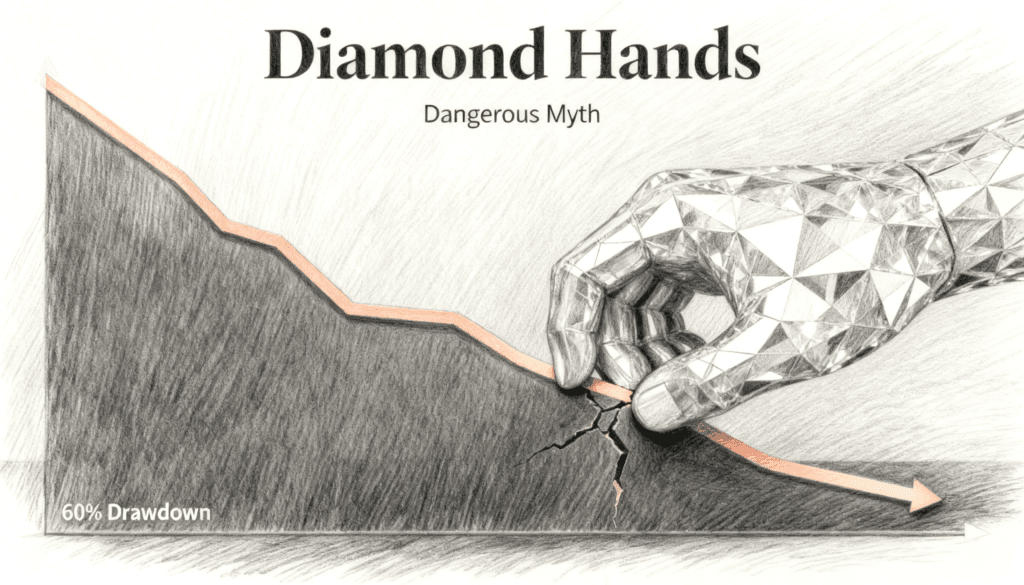
There’s a peculiar religion in modern investing where suffering is celebrated as virtue. Hold through the crash. Never sell. Diamond hands forever. The faithful wear their unrealized losses like badges of honor, proof of their commitment to the cause. Meanwhile, their portfolios drift further from any coherent strategy, weighted increasingly toward whatever happened to go

Rebalancing: Why “Diamond Hands” is a Recipe for Mediocre Returns Read More »