Table of Contents
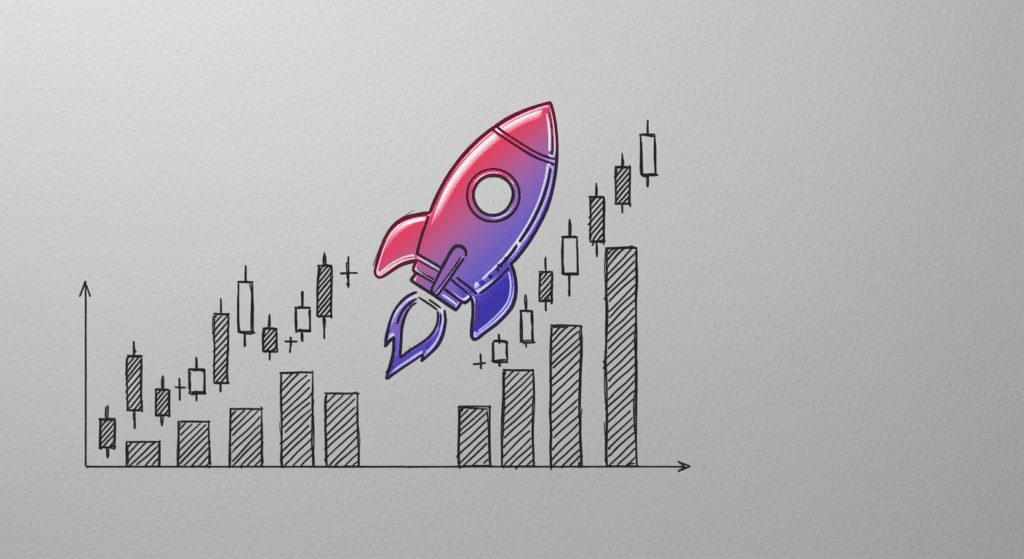
We live in an age where a picture of an eggplant can mean something other than produce and a skull doesn’t necessarily signal danger. So perhaps it shouldn’t surprise us that investors are now parsing rocket ships and diamond hands for market signals. What was once the domain of teenagers texting has become a legitimate data point in financial analysis. The question isn’t whether this is absurd. The question is whether it works.
The Evolution of Market Sentiment
Sentiment analysis has always existed in markets. Traders have forever tried to gauge the mood of the room, the temperature of the crowd, the fear or greed rippling through the herd. What’s changed is the medium. Where analysts once pored over newspaper headlines or listened to the tremor in a CEO’s voice during earnings calls, they now count rocket emojis on social media posts about stocks. The tools have changed but the impulse remains the same. We’re trying to measure something fundamentally unmeasurable: how people feel and what they’ll do next.
The premise of emoji economics is straightforward enough. If enough people express bullish sentiment about an asset using certain symbols, they might actually drive the price up through collective action. It’s a self fulfilling prophecy wrapped in Unicode. The rocket ship doesn’t predict the rally so much as participate in creating it. This matters because unlike traditional sentiment indicators that merely reflect mood, social media sentiment can mobilize capital. When someone tweets a rocket emoji next to a ticker symbol, they’re not just making a prediction. They’re potentially recruiting others to join them.
Why Symbols Matter More Than Words
This is where things get interesting from a behavioral standpoint. Traditional finance assumed rational actors making calculated decisions based on fundamental analysis. But humans have never been particularly rational when it comes to money. We’re social creatures who take cues from the tribe. If the tribe is enthusiastic, we feel enthusiastic. If the tribe is loading up on a meme stock plastered with diamond hand emojis, we feel the fear of missing out pulling us toward the buy button.
The emoji becomes a kind of shorthand for a complex emotional and social state. It compresses sentiment into something instantly recognizable and easily spreadable. This compression is powerful. A rocket emoji conveys not just optimism but a specific kind of optimism. Not the cautious optimism of a value investor finding an underpriced company. Rather the explosive, viral, get rich quick optimism of a momentum play. The symbol carries cultural weight that a simple written phrase cannot match.
The Meme Stock Revolution
Consider what happened during the meme stock phenomenon. Message boards erupted with diamond emojis representing the idea of holding through volatility, rocket ships representing expected price increases, and apes representing the collective identity of retail traders. These weren’t just decorative flourishes. They were tribal markers, war paint, flags planted in digital territory. The emojis helped create a sense of belonging and shared purpose that traditional investment communities rarely achieved. You weren’t just buying a stock. You were joining a movement that had its own language and symbols.
The financial establishment initially dismissed this as noise. Surely serious market analysis couldn’t include counting picture characters. But dismissal turned to confusion when the noise started moving markets. Stocks that by traditional metrics should have been declining instead soared on waves of emoji laden enthusiasm. The algorithms that powered institutional trading strategies hadn’t been trained on this kind of data. They were looking at balance sheets while retail traders were looking at sentiment gauges built from symbols.
Information Asymmetry in Reverse
This created an information asymmetry in reverse. Usually institutions have better data and faster analysis than retail traders. But in this case, the people embedded in the online communities understood the sentiment dynamics better than the professionals watching from outside. They could feel the momentum building in ways that traditional sentiment analysis tools couldn’t capture. The emojis weren’t just reflecting sentiment. They were amplifying it through repetition and social proof.
The machinery behind modern sentiment analysis attempts to quantify this chaos. Natural language processing algorithms scan millions of social media posts looking for patterns. But emojis present unique challenges. A thumbs up might be sincere or sarcastic depending on context. A fire emoji could mean something is hot in the market sense or that someone thinks an idea should burn. The same symbol carries different weights in different communities. Tech stock enthusiasts and cryptocurrency traders use rocket ships but with different implications and expectations.
The Timing Problem
There’s also the timing problem. By the time sentiment analysis tools detect a surge in bullish emojis, has the opportunity already passed? If an algo identifies rocket ship density reaching a threshold and generates a buy signal, is it catching the wave or arriving after it’s crashed on shore? The delay between sentiment formation, detection, and action matters enormously in markets where prices can swing dramatically in minutes.
This brings up something that doesn’t get discussed enough. The presence of sentiment analysis tools changes the sentiment itself. Once traders know that algorithms are scanning for emoji patterns, some will deliberately deploy emojis to manipulate the data. Others will become skeptical of organic looking enthusiasm because they suspect astroturfing. The measurement affects the thing being measured. We’ve created a hall of mirrors where it’s increasingly difficult to distinguish genuine collective sentiment from manufactured signals designed to trigger algorithmic responses.
Digital Exhaust as Market Data
The parallel to other areas of modern life is striking. We’ve become accustomed to the idea that our digital exhaust provides valuable data. Every click, like, and share supposedly reveals something about us that can be analyzed and predicted. Social media companies monetize our attention by selling access to these signals. Political campaigns microtarget voters based on behavioral data. So perhaps it was inevitable that financial markets would attempt the same with investing behavior.
But there’s a difference between predicting what ad you’ll click versus predicting what stock you’ll buy. The stakes are higher and the feedback loops tighter. An ad campaign that misfires wastes money but doesn’t necessarily change the underlying reality of the product. A trading strategy that misfires based on emoji sentiment can create actual losses, which changes sentiment, which affects future emoji usage, which affects the next round of algorithmic trading decisions. The system is far more recursive and prone to cascading effects.
When the Absurd Becomes Real
This recursion creates strange dynamics. Imagine a stock that becomes popular on social media for no fundamental reason other than its ticker symbol making a funny acronym. People start posting about it ironically, using celebratory emojis. The sentiment analysis tools detect unusual positive sentiment. Some automated systems generate buy signals. The buying pressure moves the price up slightly. More people notice and pile in with genuine enthusiasm now that there’s momentum. More emojis. More algorithmic interest. The price continues rising despite no change in the underlying business. At some point the absurd becomes real simply because enough people treated it as real.
The thinker would call this a kind of mass intentionality. Individual emojis mean little but collectively they construct a shared reality that has tangible consequences. Money flows based on symbol recognition rather than earnings reports. This isn’t entirely new. Brands have always been about shared meaning constructed through symbols. A swoosh on shoes or an apple on devices conveys messages that affect purchasing decisions and stock prices. What’s new is the speed and accessibility. Anyone with a smartphone can participate in constructing these meaning systems.
The Double Edge of Democratization
The democratization cuts both ways. Retail investors have genuine ability to coordinate and move markets in ways previously impossible. This is empowering. But it also means markets can be swayed by viral dynamics that have little connection to economic fundamentals. A stock can moon based on emoji enthusiasm and crash when that enthusiasm fades, leaving real people with real losses. The same tools that enable participation also enable manipulation.
Some researchers have found correlations between social media sentiment and short term price movements. The rocket emojis do sometimes precede rallies. But correlation isn’t causation and even causation doesn’t guarantee reliable prediction. Markets are adaptive systems. Once a pattern becomes known and traded upon, it tends to erode. If everyone knows that rocket emoji spikes predict price increases, traders will front run the signal, which changes the timing, which degrades the predictive power.
The Memory Problem
There’s also selection bias in which signals we pay attention to. The times emoji sentiment correctly predicted a rally get remembered and discussed. The times it predicted a rally that never came get forgotten. This is similar to how people remember their prophetic dreams but forget the thousands of mundane dreams that predicted nothing. Our minds naturally seek patterns and assign meaning to random fluctuations.
The deeper question is what emoji sentiment actually measures. Is it measuring genuine conviction that an asset will increase in value? Or is it measuring something more like social contagion, the urge to be part of something trending? These are different phenomena with different implications. True conviction might sustain buying pressure through volatility. Social contagion might evaporate the moment momentum stalls.
The Honesty of Symbols
Traditional investors tend to dismiss emoji economics as frivolous precisely because it lacks the appearance of serious analysis. But seriousness and effectiveness aren’t always correlated. Some of the most catastrophic investment decisions in history were made by very serious people using sophisticated models. The 2008 financial crisis wasn’t caused by retail traders posting rocket emojis. It was caused by professionals with PhDs trading instruments they claimed to understand but didn’t. At least emoji traders know they’re riding sentiment rather than pretending they’ve discovered some fundamental truth.
There’s a kind of honesty in rocket emoji investing. It acknowledges that much of short term price movement is about psychology and momentum rather than underlying value. Traditional fundamental analysis often pretends to be purely rational when in fact it’s shot through with subjective judgments about growth rates, discount rates, and comparable companies. At least the emoji enthusiasts aren’t hiding behind a veil of scientific objectivity.
This doesn’t mean emoji sentiment is a reliable basis for investment decisions. It just means it’s not obviously more absurd than some alternatives. The markets have always run partly on narrative and emotion. We’ve simply made the narratives more explicit and the emotions more measurable. Whether that’s progress depends on your perspective.
The Industry Creating Its Own Feedback Loop
The technology sector has embraced sentiment analysis more enthusiastically than traditional finance, which makes sense given their familiarity with data mining and algorithmic decision making. But there’s an irony here. The same industry that created social media platforms designed to amplify emotional engagement and viral content is now trying to analyze that content for investment signals. They’ve created a system that optimizes for emotional intensity and then act surprised when emotional intensity drives market behavior.
Looking ahead, it seems likely that emoji economics will continue evolving rather than disappearing. The genie is out of the bottle. Retail traders have discovered they can coordinate through social media and move markets. Institutions have recognized they need to account for this coordination in their models. The symbols and platforms may change but the underlying dynamic probably won’t.
The Arms Race Ahead
What might change is sophistication on both sides. Retail traders may become more aware of how their signals get analyzed and game the system accordingly. Institutions may develop better tools for distinguishing genuine grassroots enthusiasm from manufactured astroturfing. We’ll probably see an arms race of sentiment analysis and sentiment manipulation.
There are also regulatory questions that haven’t been fully resolved. If someone with a large following posts rocket emojis about a stock they own, are they manipulating the market? What if they’re just expressing genuine enthusiasm? The line between sharing your opinion and pumping a stock has always been blurry, but emojis make it blurrier. They’re less committal than written statements but potentially more influential because of their viral nature.
Perhaps the real insight is that markets have always been partly about reading social cues. The trading floor was never purely a realm of rational calculation. It was full of shouting, gesturing, body language, rumors, and gut feelings. The emojis haven’t made markets less rational. They’ve just made the social dynamics more visible and quantifiable. We’re not witnessing the decline of serious investing so much as the revelation of how much investing was always a social and emotional practice.
The rocket ship emoji doesn’t predict rallies through some magical prescience. It participates in creating rallies by contributing to a shared narrative that mobilizes collective action. Whether that action is wise is another question entirely. But wisdom and effectiveness are different things. Sometimes the crowd is right simply because the crowd is large enough to move prices through collective belief. And sometimes a symbol is all you need to launch that belief into orbit, at least for a while.