ThomasIF

Thomas Vato holds a degree in Philosophy, Mathematics & Economics from three European universities. He has completed advanced coursework in Financial Markets (Yale/Coursera, with honors), Investment Management (University of Geneva/Coursera), Finance & Quantitative Modeling (Wharton/Coursera). He spent 18 months in venture capital and 3.5 years as a self-directed investor in financial markets.

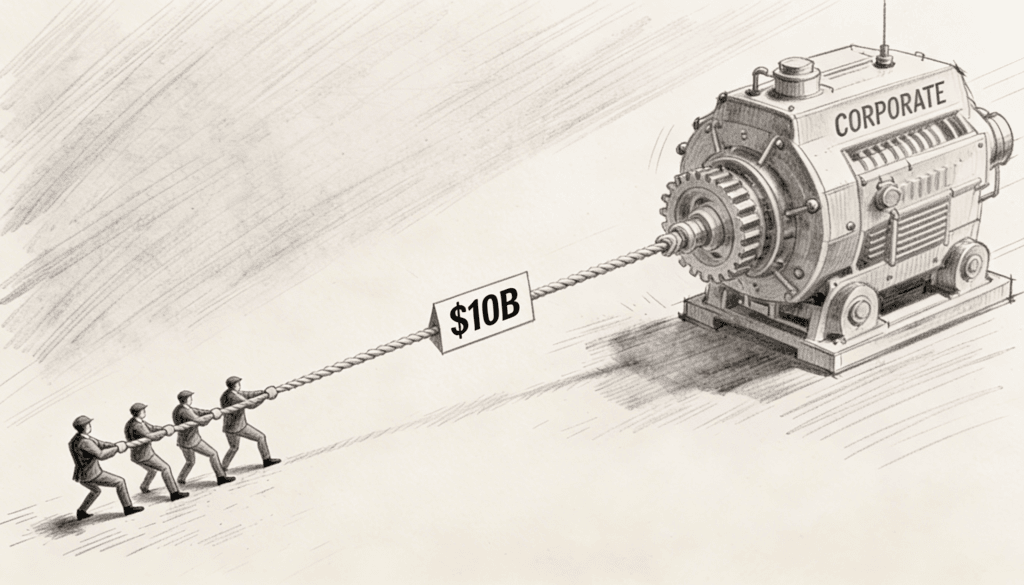
The Final Boss- What Happens to the Economy When a Company Hits $10 Trillion?

The Final Boss: What Happens to the Economy When a Company Hits $10 Trillion?

We’ve been here before, sort of. Remember when people thought a billion dollars was unfathomable wealth? Then we got used to billionaires. Then trillion dollar companies arrived and we shrugged. Now we’re staring at the possibility of a ten trillion dollar company, and the strange thing is how normal it already feels. But it shouldn’t […]

The Final Boss: What Happens to the Economy When a Company Hits $10 Trillion? Read More »

Dopamine vs. Dividends- The Neurological Reason You Can't Stop Day Trading

Dopamine vs. Dividends: The Neurological Reason You Can’t Stop Day Trading

Your brain doesn’t care about your retirement account. It cares about what happened in the last three seconds. This fundamental mismatch explains why millions of rational, educated people with good jobs and solid futures find themselves refreshing their trading apps at 2 AM, watching a stock that represents 0.3% of their portfolio move by pennies.

Dopamine vs. Dividends: The Neurological Reason You Can’t Stop Day Trading Read More »

The Physics of Finance- Why Doubling a $10B Market Cap is 10x Harder Than a $1B

The Physics of Finance: Why Doubling a $10B Market Cap is 10x Harder Than a $1B

Most investors treat market capitalization like a number on a scoreboard. A company worth ten billion dollars is simply ten times bigger than one worth a billion. This arithmetic thinking makes intuitive sense until you actually try to double these companies and discover that the laws of finance behave more like the laws of physics

The Physics of Finance: Why Doubling a $10B Market Cap is 10x Harder Than a $1B Read More »

Why a Strong Economy Can Actually Be Bad News for Your Portfolio

Why a “Strong Economy” Can Actually Be Bad News for Your Portfolio

Everyone loves good economic news. Rising GDP, falling unemployment, consumer spending through the roof. Politicians celebrate it, financial commentators cheer it, and your neighbor won’t stop talking about how great business is at his company. The economy is humming, and naturally, your portfolio should be soaring too. Except it doesn’t work that way. Here’s the

Why a “Strong Economy” Can Actually Be Bad News for Your Portfolio Read More »

The IKEA Effect in Investing- Why You Love Your Bad Stocks Too Much

The IKEA Effect in Investing: Why You Love Your Bad Stocks Too Much

You assemble a bookshelf at two in the morning. Your fingers ache. The instructions make no sense. Three screws are missing, and you’re pretty sure Panel F is actually Panel G. Four hours later, you step back and admire your crooked masterpiece. It’s beautiful. It’s perfect. You built this. A week later, your friend points

The IKEA Effect in Investing: Why You Love Your Bad Stocks Too Much Read More »

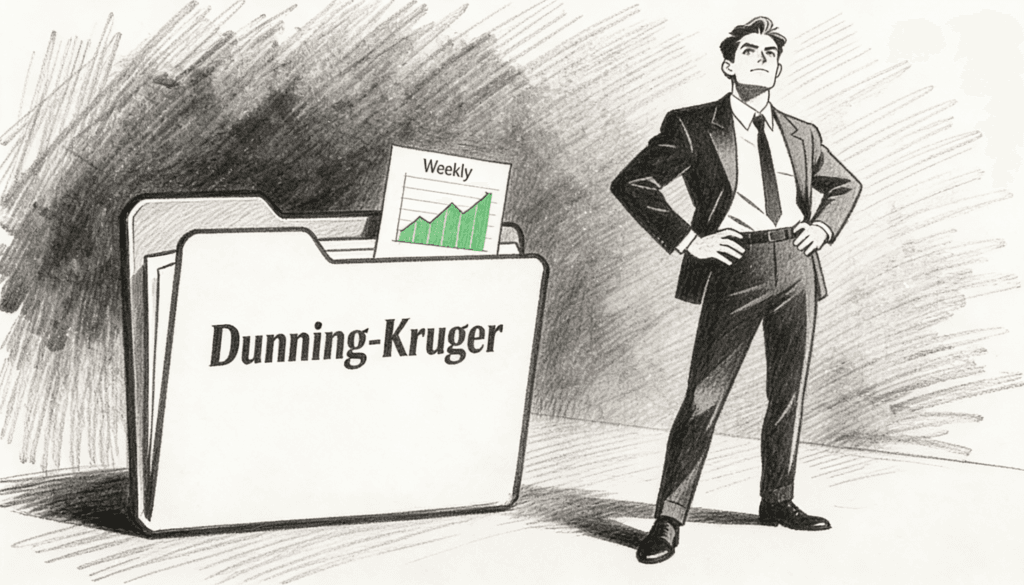
The Dunning-Kruger Investment Portfolio- Why You Think You're a Pro After One Green Week

The Dunning-Kruger Investing Portfolio: Why You Think You’re a Pro After One Green Week

There’s a peculiar moment in every new investor’s journey when the market whispers sweet lies directly into their ear. It usually happens after a few successful trades, maybe a week or two of watching numbers tick upward. Suddenly, Warren Buffett seems like he’s been doing things the hard way. The investing books collecting dust on

The Dunning-Kruger Investing Portfolio: Why You Think You’re a Pro After One Green Week Read More »

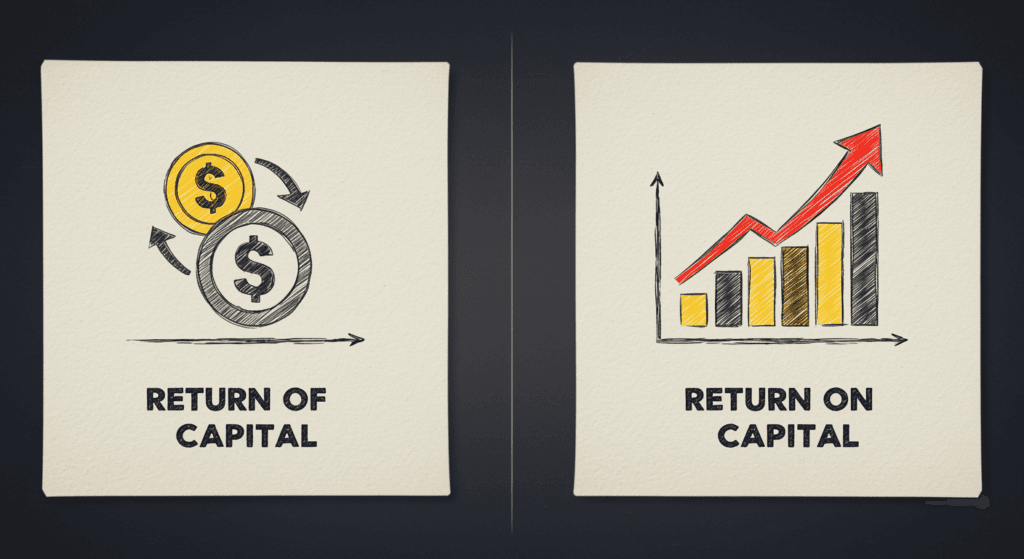
Is Your Dividend a Return of Capital or a Return on Capital?

Is Your Dividend a Return of Capital or a Return on Capital?

There’s a particular breed of investor who checks their brokerage account the way some people check their pulse. They want to see that dividend hit. They want confirmation that their money is working, that capital deployed is capital rewarded. And nowhere is this impulse stronger than among those who invest in business development companies. BDCs

Is Your Dividend a Return of Capital or a Return on Capital? Read More »

Investing in the Villain- Why the Most Hated Companies Might Deserve Your Money

Investing in the Villain: Why the Most Hated Companies Might Deserve Your Money

The crowd gathered outside the corporate headquarters, waving signs and chanting slogans. Inside, executives prepared their quarterly earnings call, ready to announce record profits. This scene has become so familiar in modern capitalism that we barely register the contradiction anymore. The companies we publicly despise often possess an almost supernatural ability to print money. This

Investing in the Villain: Why the Most Hated Companies Might Deserve Your Money Read More »

The Cult of the Dip- Why Buying Low is Psychologically Impossible for Most

The Cult of the “Dip”: Why Buying Low is Psychologically Impossible for Most

Everyone knows the secret to investment success. Buy low, sell high. It’s so simple that a child could understand it. Yet somehow, this basic principle has bankrupted more investors than any complex financial instrument ever could. The irony is almost perfect. The one thing everyone agrees on is the one thing almost nobody can do.

The Cult of the “Dip”: Why Buying Low is Psychologically Impossible for Most Read More »

The Hedging Hierarchy- Covered Calls vs. Puts as Your Primary Portfolio Defense

The Hedging Hierarchy: Covered Calls vs. Puts as Your Primary Portfolio Defense

Most investors approach portfolio protection the way most people approach health insurance. They know they need it, they understand it costs money, and they hope never to use it. But here’s where the analogy breaks down in an interesting way. When it comes to protecting your investments, you’re not just choosing between different insurance policies.

The Hedging Hierarchy: Covered Calls vs. Puts as Your Primary Portfolio Defense Read More »