ThomasIF

Thomas Vato holds a degree in Philosophy, Mathematics & Economics from three European universities. He has completed advanced coursework in Financial Markets (Yale/Coursera, with honors), Investment Management (University of Geneva/Coursera), Finance & Quantitative Modeling (Wharton/Coursera). He spent 18 months in venture capital and 3.5 years as a self-directed investor in financial markets.

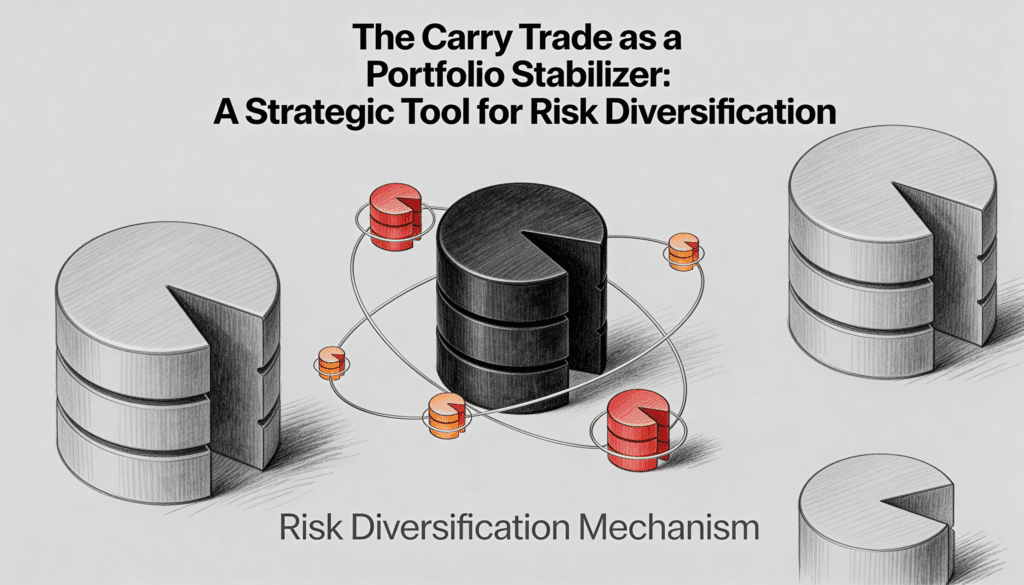
The Carry Trade as a Portfolio Stabilizer- A Strategic Tool for Risk Diversification

The Carry Trade as a Portfolio Stabilizer: A Strategic Tool for Risk Diversification

There is an old joke among traders that the carry trade works beautifully until it does not. It is the financial equivalent of picking up nickels in front of a steamroller, a strategy mocked for its apparent simplicity and feared for its occasional cruelty. And yet, despite the warnings, despite the blowups, despite the academic […]

The Carry Trade as a Portfolio Stabilizer: A Strategic Tool for Risk Diversification Read More »
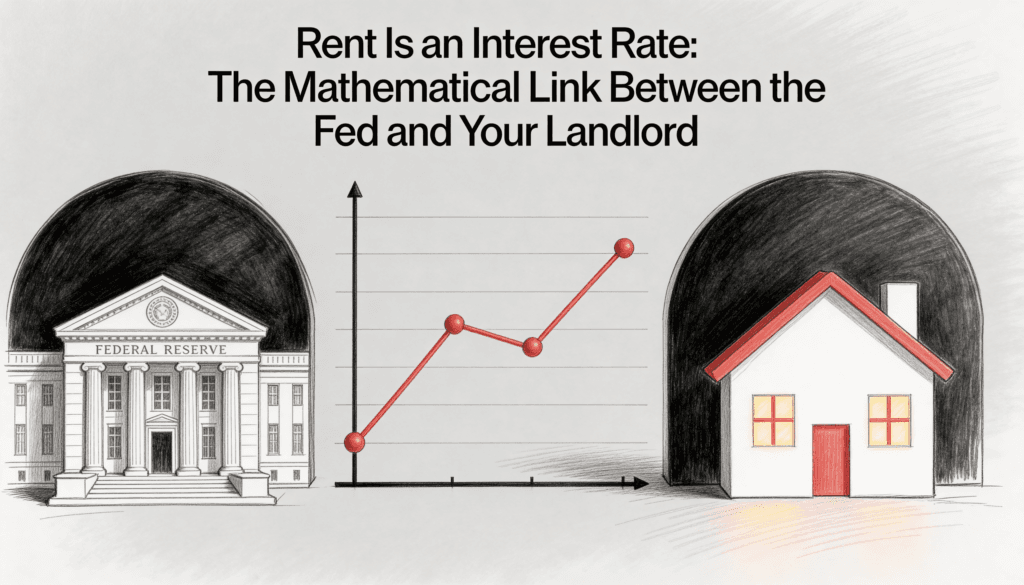
Rent Is an Interest Rate- The Mathematical Link Between the Fed and Your Landlord

Rent Is an Interest Rate: The Mathematical Link Between the Fed and Your Landlord

There is a strange ritual that happens every few weeks in Washington. A group of economists sit around a polished table, debate the state of the world, and then announce a number. That number, the federal funds rate, gets reported on television as if it were a weather forecast for the financial system. Most people

Rent Is an Interest Rate: The Mathematical Link Between the Fed and Your Landlord Read More »

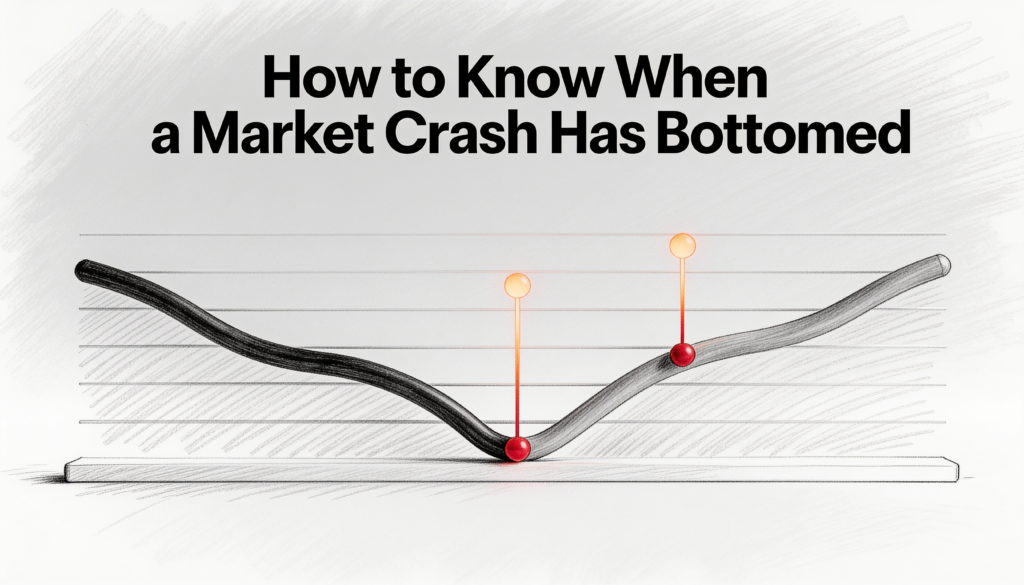
How to Know When a Market Crash Has Bottomed (And Why the Answer Changes Everything)

How to Know When a Market Crash Has Bottomed (And Why the Answer Changes Everything)

How to Know When a Market Crash Has Bottomed There is a peculiar moment during every market crash when serious people on television start using the word “unprecedented” with the same frequency that teenagers use “literally.” Charts turn red, anchors lower their voices as if attending a funeral, and somebody inevitably brings up 1929, then

How to Know When a Market Crash Has Bottomed (And Why the Answer Changes Everything) Read More »

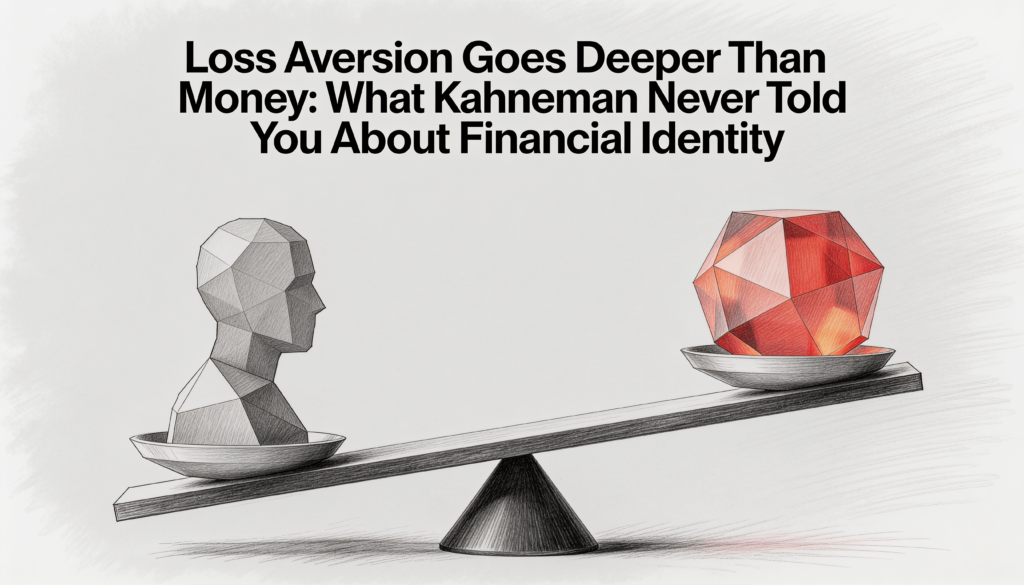
Loss Aversion Goes Deeper Than Money- What Kahneman Never Told You About Financial Identity

Loss Aversion Goes Deeper Than Money: What Kahneman Never Told You About Financial Identity

What Loss Aversion Really Means for Investors In 1979, two psychologists published a paper that would eventually win a Nobel Prize and quietly rewire how we understand money. Daniel Kahneman and Amos Tversky demonstrated that losses feel roughly twice as painful as equivalent gains feel pleasurable. A 10 percent gain might make you feel mildly

Loss Aversion Goes Deeper Than Money: What Kahneman Never Told You About Financial Identity Read More »